In the dimly lit corners of Tokyo's jazz bars, music doesn't merely play—it breathes. The air itself seems to inhale the smoky resonance of a double bass, exhaling it as whispered conversations and clinking glasses. This isn't performance; it's respiration. From the intimate, wood-paneled confines of Shinjuku's Pit Inn to the underground haunts of Shimokitazawa, jazz in Tokyo lives as a living, pulsing organism, its rhythm synced to the city's own heartbeat.
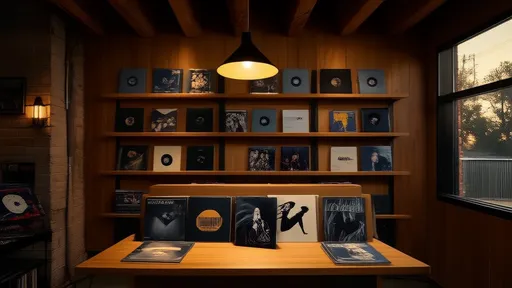
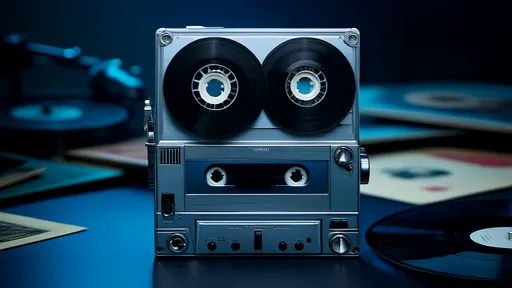
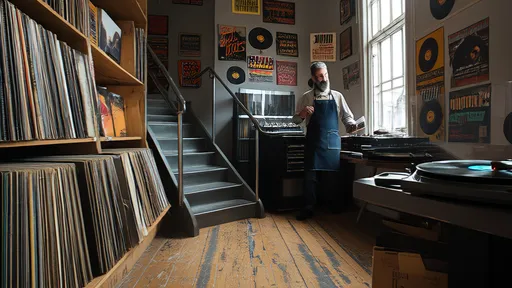
Walk into any respected jazz kissa (cafe) or bar, and you immediately feel it—the warmth of analog sound, the weight of history, the sense that every note has been earned. There are no algorithms here, no playlists curated by machines. The music is chosen by masters: bartenders who are also archivists, owners who are curators of mood. They select vinyl records or cue live bands with the care of surgeons, understanding that the wrong track at the wrong moment can break the spell. The breath of the music is held in their hands.
And then there's the silence—the space between the notes. In Tokyo's jazz scenes, silence is not emptiness; it is the intake of breath before a phrase, the collective pause of an audience hanging on a pianist's suspended chord. It is in these silences that you hear the room itself: the soft hiss of the amplifier, the distant rumble of a Yamanote Line train, the almost imperceptible sigh of someone being transported. This reverence for silence is deeply Japanese, a cultural acknowledgment that absence can hold as much meaning as presence.
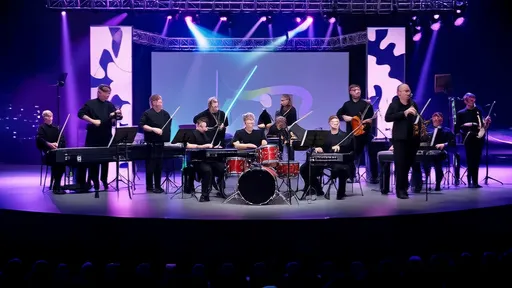
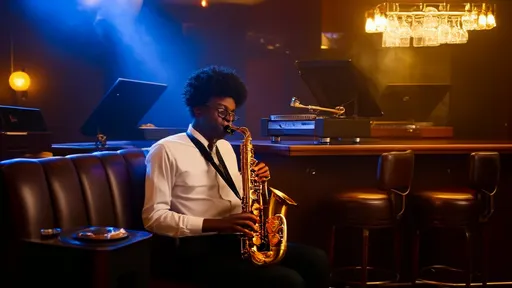
The musicians themselves are the lungs of this operation. They play not to dazzle with technical prowess, but to serve the song, to serve the room. A saxophonist might lean into a ballad with such tenderness that the melody seems to weep. A drummer's brushwork on a snare can sound like rainfall on a Tokyo pavement—gentle, patternless, and deeply natural. They listen to each other with such intensity that the music becomes a conversation, a shared breath. There is no leader, only participants.
This is perhaps why the live sessions in these bars feel so vital. Unlike a sterile concert hall, the environment is participatory. The audience's energy—their focus, their reactions, even their stillness—feeds the performers. A chuckle at a clever musical quote from the pianist becomes part of the performance. A gasp at a trumpet player's soaring high note is woven into the fabric of the piece. The line between artist and listener blurs. They are breathing the same air, charged with the same electricity.
The very architecture of these spaces is designed for this symbiosis. Low ceilings trap sound, creating a dense, intimate atmosphere where the music feels close, almost tactile. Lighting is always warm, often dim, casting shadows that dance with the rhythms. There are no large screens, no distracting visuals. The focus is forced inward, to the ears and the heart. You don't just hear the music; you feel its vibration in the wood of your stool, through the soles of your shoes. It enters you.
And the repertoire breathes with the times. While standards from Coltrane, Davis, and Monk form the bedrock—the classic exhale of tradition—there is always an inhalation of the new. Local composers blend jazz with hints of enka, with the pentatonic scales of traditional Japanese music, or with the electronic undertones of modern Shibuya. The music respects its roots but is not shackled by them. It is alive, evolving with each night's setlist.
The breath of the music is also in its imperfections. A slightly warped vinyl record that gives a standard a new, wobbly texture. A vocalist's voice cracking with emotion on a high note. The sound of a page turning on a sheet music stand. These are not mistakes to be edited out; they are proof of life, the idiosyncrasies that remind you this is happening now, for you, and will never happen exactly this way again. It is beautifully, humanly fleeting.
To spend an evening in one of Tokyo's jazz bars is to understand that jazz is not a genre to be consumed. It is an environment to be inhabited. It is the breath of the city itself—sometimes frantic and bebop, like the scramble crossing at Shibuya; sometimes a slow, bluesy drag, like the last train home. It waits in the record grooves, in the valves of the horns, in the quiet anticipation of the crowd before the first note is played. And when it finally comes, it doesn't just fill the room. It gives it life.
By /Aug 22, 2025
By /Aug 22, 2025
By /Aug 22, 2025

By /Aug 22, 2025

By /Aug 22, 2025
By /Aug 22, 2025
By /Aug 22, 2025
By /Aug 22, 2025
By /Aug 22, 2025

By /Aug 22, 2025
By /Aug 22, 2025
By /Aug 22, 2025
By /Aug 22, 2025
By /Aug 22, 2025
By /Aug 22, 2025
By /Aug 22, 2025
By /Aug 22, 2025

By /Aug 22, 2025
By /Aug 22, 2025
By /Aug 22, 2025
