In an age where streaming algorithms dictate our listening habits and digital convenience has rendered physical media seemingly obsolete, a quiet revolution is taking place in the corners of cities worldwide. Independent record stores, once written off as relics of a bygone era, are not just surviving—they are thriving. This isn't merely nostalgia; it's a cultural movement. From Tokyo to Berlin, London to New York, these temples of vinyl and community are experiencing a remarkable renaissance, proving that the desire for tangible connection and curated discovery is very much alive.
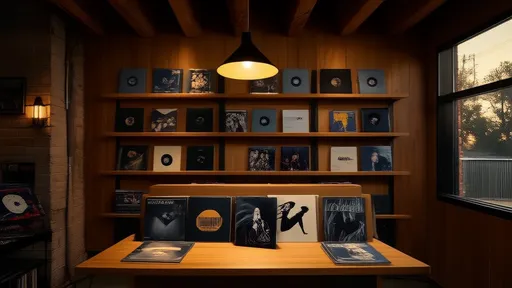
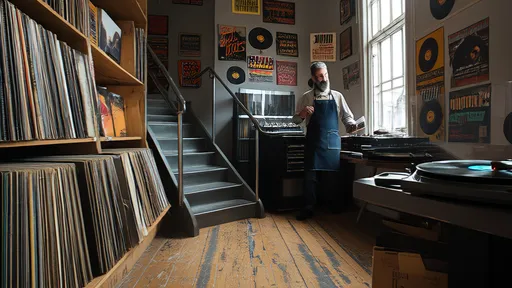
The resurgence is fueled by a generation hungry for authenticity. While digital platforms offer infinite choice, they often lack soul and serendipity. Walking into a great record store is an experience that cannot be replicated online. The smell of aged cardboard and vinyl, the tactile pleasure of flipping through crates, the sight of obscure album art—these sensory details create a ritualistic experience. It’s a form of active listening and discovery, a stark contrast to the passive consumption encouraged by streaming services. Store owners and clerks, often revered as local tastemakers, provide a human touch that algorithms cannot match. Their recommendations come from a place of passion and knowledge, creating trust and community that digital platforms struggle to build.
Tokyo’s Disk Union stands as a testament to this vitality. Spread across multiple floors in Shinjuku, each dedicated to a specific genre, it is a labyrinth of musical discovery. From rare jazz pressings to underground punk EPs, the store caters to die-hard collectors and casual browsers alike. Its success lies in its specialization and depth, offering an unparalleled selection that attracts enthusiasts from around the globe. Similarly, in Berlin, Hard Wax has achieved legendary status. Founded in 1989, this Kreuzberg institution is synonymous with the city’s techno scene. It’s more than a store; it’s an archive of electronic music history, where DJs and producers gather not just to shop, but to exchange ideas and feel the pulse of the underground.
Crossing the Atlantic, Rough Trade in London and New York embodies the modern evolution of the independent record shop. What began as a small stall in London in 1976 has grown into a cultural hub, with spacious stores that host in-store performances, signings, and art installations. They have successfully expanded their brand while maintaining their indie ethos, proving that scale and soul can coexist. In the United States, Amoeba Music in Los Angeles and Berkeley remains a mecca for music lovers. Its vast, warehouse-like space stocks everything from vinyl and CDs to posters and memorabilia, functioning as a community center where music fandom is celebrated in all its forms.
These stores have adapted brilliantly to the modern market. They’ve become multifaceted spaces, often combining retail with cafes, live venues, and art galleries. Events like Record Store Day have also played a crucial role, creating a global celebration that drives foot traffic and highlights the unique culture of independent shops. Limited edition releases and exclusive pressings generate excitement and remind consumers of the value of physical media. Furthermore, the vinyl revival has been a significant driver. Sales of vinyl records have been climbing steadily for over a decade, appealing to both older collectors who never abandoned the format and younger audiences discovering its warmth and tangibility for the first time.
The social role of these spaces cannot be overstated. In a increasingly fragmented and digital world, record stores provide a third place—a physical location for community building. They are spaces where people with shared interests can meet, talk, and connect. In an era of isolation, this human interaction is priceless. Stores often become the heart of local music scenes, supporting emerging artists by stocking their records and hosting their performances. This ecosystem supports the entire music industry, from the biggest labels to the most obscure DIY bands.
Ultimately, the story of these independent record stores is not just about commerce; it’s about culture and resistance. They represent a choice to value quality over quantity, depth over breadth, and community over convenience. They are living archives of musical history and active participants in shaping its future. Their continued vitality is a powerful reminder that some experiences are too rich, too human, to be replaced by a screen and an algorithm. The record store is not dead; it has been reborn, louder and more relevant than ever.
By /Aug 22, 2025
By /Aug 22, 2025
By /Aug 22, 2025

By /Aug 22, 2025

By /Aug 22, 2025
By /Aug 22, 2025
By /Aug 22, 2025
By /Aug 22, 2025

By /Aug 22, 2025

By /Aug 22, 2025

By /Aug 22, 2025
By /Aug 22, 2025
By /Aug 22, 2025
By /Aug 22, 2025
By /Aug 22, 2025
By /Aug 22, 2025
By /Aug 22, 2025

By /Aug 22, 2025
By /Aug 22, 2025
By /Aug 22, 2025
