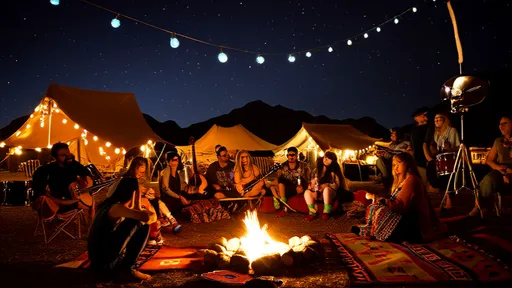
As the final chords of the headliner's set echo across the festival grounds, a curious migration begins. While thousands stream toward exits and shuttle buses, a growing contingent moves in the opposite direction, drawn toward the glowing constellation of lanterns and string lights that mark the camping area. This reverse exodus holds a poorly kept secret: some of the most authentic and electrifying musical experiences aren't happening on the main stage at all. They are unfolding in the impromptu, community-driven jam sessions that transform the campground into a vibrant, all-night sonic playground.
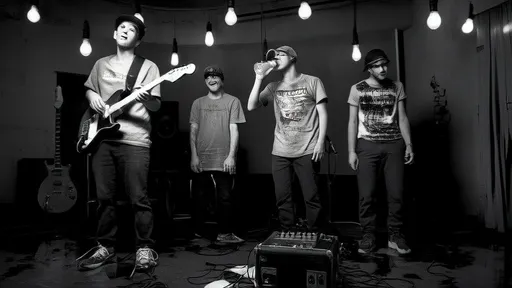
The transition from a formal concert space to an informal creative hub is both sudden and organic. Guitar cases snap open on picnic tables, drummers assemble makeshift kits from buckets and coolers, and circles form around crackling campfires. The air, once thick with the roar of a crowd, now hums with the intimate chatter of musicians tuning up and the soft click of beer bottles. There is no schedule, no security barrier, and most importantly, no separation between performer and audience. This is where the polished, pre-programmed festival experience is traded for something raw, unpredictable, and deeply human.
What fuels these spontaneous gatherings is a potent mix of talent and liberated creativity. The campgrounds are a hidden reservoir of incredible musicianship. That unassuming person who poured your morning coffee might be a virtuoso fiddler from Nashville. The group laughing over a grill could be members of three different touring bands, finally free to collaborate outside their own sets. On the main stage, every note is calculated for mass consumption; here, music is made for the sheer joy of it. Without the pressure of a paying audience or a critical review, artists feel empowered to experiment, to fuse genres, to extend a solo for ten minutes, or to fumble through a cover song they all half-remember. The result is a unique alchemy of sound that can never be perfectly replicated.
The repertoire is as diverse as the participants. You might stumble upon a bluegrass circle tearing through a furious rendition of an old folk standard, their fingers a blur on strings and banjos. A few tents over, a soulful voice might rise above a gentle acoustic melody, drawing listeners into a hushed, reverent silence. Further into the night, the pulse often quickens. The scent of woodsmike mixes with the thump of a bassline as a DJ plugs a laptop into a car battery, weaving electronic beats that get feet moving on the grass. This genre-fluid journey is a hallmark of the campground scene, a stark contrast to the often rigid genre-specific branding of the festival's official lineup.
Beyond the music itself, the true magic lies in the sense of community these sessions foster. The campground jam is the great social equalizer of the music festival. There are no VIP passes here. A Grammy-winning artist might find themselves sharing a microphone with a college student who just learned their first chords. Conversations spark between strangers over a shared love for a obscure B-side. Friendships are forged in the harmony of a chorus, and musical ideas are exchanged freely. This environment breaks down the hierarchies of the music industry, creating a temporary utopia where the only currency is passion and participation. It is a powerful reminder that music, at its core, is about connection.
For many seasoned festival-goers, this after-hours culture is not merely an add-on; it is the main event. They plan their entire experience around it, arriving early to secure a spot near the known hubs of activity and conserving energy for the long night ahead. The stories traded years later are rarely about the pyro effects of the closing act, but about the unknown guitarist who played a solo that brought tears to their eyes at 3 AM, or the moment when hundreds of voices joined together to sing a classic song under a blanket of stars. These are the moments that feel stolen and sacred, the authentic heart of the festival beating strong long after the corporate machinery has shut down for the night.
In an era where live music can feel increasingly commercialized and sanitized, the festival campground remains a bastion of pure, unmediated artistic expression. It is a space that resists curation and control, thriving instead on chance, collaboration, and shared vulnerability. The main stage offers spectacle, but the campground offers soul. It is a living, breathing organism that proves the most memorable stages aren't built of steel and scaffolding, but of open space, open minds, and the universal language of a song shared among friends, both old and new.
By /Aug 22, 2025
By /Aug 22, 2025
By /Aug 22, 2025
By /Aug 22, 2025
By /Aug 22, 2025
By /Aug 22, 2025
By /Aug 22, 2025
By /Aug 22, 2025
By /Aug 22, 2025
By /Aug 22, 2025
By /Aug 22, 2025
By /Aug 22, 2025
By /Aug 22, 2025
By /Aug 22, 2025
By /Aug 22, 2025
By /Aug 22, 2025
By /Aug 22, 2025
By /Aug 22, 2025
By /Aug 22, 2025
By /Aug 22, 2025
